If you’ve got a yard under about 5,000 sq ft and a reliable mower, DIY usually pays off within 2–3 years, costing $250–$600 first year for products or $600–$2,000 if you buy gear; larger yards or problem turf often need pros for aeration, pest rescue, or hydroseeding, which run $1,000–$3,500 annually but give predictable results. Now, weigh your time (50–100 hours/year), skills, and tolerance for patchy outcomes, and keep going to see exact cost breakouts and hiring tips.
Some Key Takeaways
- DIY typically saves money for yards under ~5,000 sq ft, with first‑year costs about $250–$600 for products and minor tools.
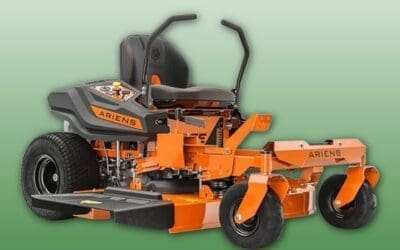
- Startup equipment purchases for DIY range $600–$2,000 (push mower, trimmer, blower); riding mowers increase costs dramatically.
- Professional lawn care costs roughly $1,000–$3,500 per year for predictable results and time savings.
- Break‑even for buying equipment versus hiring pros usually occurs in 2–3 years, depending on hours and gear lifespan.
- Hire or rent pros for specialized tasks (core aeration, hydroseeding, major pest/disease control) to avoid DIY pitfalls and hidden costs.
Quick Decision Framework: When to DIY vs. Hire Pros
If your yard is under about 5,000 square feet and you already own a reliable mower, you can probably save money by doing most care yourself, but the key is being realistic about time and skill: expect to spend 2–4 hours a week and 50–100 hours a year learning schedules, calibrating equipment, and doing the work to get pro-like results, and you’ll pay roughly $100–$300 a year for materials like seed, fertilizer, and basic pest control; now, hire professionals when the job goes beyond routine mowing and watering—things like aeration, hydroseeding, grub or disease control, or any task needing commercial-grade equipment or products—because attempting those yourself can push first-year costs to $600–$4,000 and risks misdiagnosis that creates expensive damage, so consider a hybrid approach: do the regular maintenance you enjoy and can reliably handle, but contract specialists once or twice a year for targeted treatments to balance cost, time, and predictable outcomes. You’ll weigh DIY vs Professional Lawn Care by asking what you enjoy, how much time you’ll commit, and whether predictable results matter more than saving money; if you like hands-on work and flexible timing, the Cost of DIY usually beats hiring a service, but if you want dependable outcomes and to avoid costly mistakes, prioritize hiring a service for specialized treatments, and treat the rest as a shared project you both own. Many homeowners find renting or buying a core aerator for annual or biennial use is the most cost-effective way to get professional-level aeration without ongoing service fees.
True Upfront Costs of a DIY Program (Equipment, Products, Tests)
Start by adding up what you’ll really need, because that small “mower and some seed” picture often misses the gear and tests that make a DIY lawn program work; you’ll likely spend $600–$2,000 just to outfit yourself with a reliable push mower, trimmer/edger, and blower, and that’s before you include a fertilizer spreader ($50–$500) or a sprayer ($35–$150) for herbicides and liquid feeds. Now factor products and tests: expect $100–$300 yearly for fertilizers and seed, though first‑year corrective work can push product spend above $400–$1,000, and soil tests run $30+ each, with amendment costs added. The key is to plan for that startup cost and equipment mix, so you join other DIYers prepared, not surprised. For many homeowners, a hose-end fertilizer applicator is the simplest way to apply liquid feeds without extra sprayers or complex calibration.
Ongoing and Hidden DIY Costs (Storage, Replacements, Disposal)
You’ve already counted the mower, spreader, and seed, but now think about what keeps that gear working and where costs quietly reappear, because ongoing upkeep and disposal will eat into your savings if you don’t plan for them. Now, you know hidden costs show up as routine storage and maintenance—annual weatherproofing, blade sharpening, fuel and oil—that often add $50–$300 a year, and when parts fail, equipment replacement for spreaders or commercial units becomes a recurring capital hit. This is where product spoilage and disposal bite you too, with ruined bags or pesticide container fees running $30–$100 seasonally, and hazardous-waste trips costing $10–$50 per event. The key is to factor these predictable expenses in, then decide if DIY still fits your budget and community goals. Regular preventive maintenance and using quality mower maintenance kits can reduce long-term costs and downtime.
Time Cost: How Many Hours and Skills DIY Lawn Care Actually Requires
You’ll spend about 2–4 hours a week—roughly 50–100 hours a year—on routine mowing, edging, and basic upkeep, but now you’ll also need to account for the extra time it takes to learn and apply fertilizers and herbicides correctly, which means walking a spreader at about 3 mph and calibrating sprayers to avoid costly mistakes. This is where seasonal jobs like aeration, overseeding, and timing pre-emergents add chunks of time or force you to rent equipment or hire help, and the key is recognizing diagnostic skills (telling drought stress from disease or nutrient deficiency) and safe chemical handling will save you repeated trips and wasted effort. To get practical, plan weekly sessions that include product research, label reading, and occasional store or extension-service visits, and you’ll turn vague chores into measurable, efficient tasks with fewer surprises. Consider adding a thatch comb to your toolkit to manage surface thatch build-up and improve lawn health by allowing better air and water penetration thatch combs.
Weekly Time Commitment
Tackle weekly lawn chores with a clear plan, because DIY care typically demands about 2–4 hours each week for mowing, edging, trimming, and routine maintenance on an average suburban yard, and if you want even coverage for fertilizer or seed you’ll be walking steady at roughly 3 mph with a spreader while you calibrate and monitor application. You’ll spend that time intentionally, learning rhythms, timing watering around heat, and scheduling seasonal spikes like aeration or fall cleanup that take half a day or more, now factor in research for pest or soil tests too. The key is to measure how much time you value, compare it to hiring professionals who’ll absorb those weekly hours and occasional project days, and choose what fits your life. Consider stocking up on recommended spring lawn care products to make DIY tasks faster and more effective.
Skill And Knowledge Needs
Even if you’re happy with a weekend mow, real DIY lawn care asks you to learn a handful of skills and invest measurable hours, so plan for more than just pushing a mower—expect about 2–4 hours a week (50–100 hours a year) for routine tasks and extra days for seasonal projects like aeration or overseeding. You’ll need to learn soil testing, pest versus drought diagnosis, and proper fertilization timing, and that means reading labels, watching soil temps, and calibrating spreaders and sprayers, the key is steady pace and even coverage to avoid burning. Now, this is where trained technicians earn their keep—complex jobs or equipment rentals add hours and risk, so weigh the pride of DIY vs Professional Lawn choices before you commit. Consider adding regular soil test kits to your routine to save money and improve lawn health over time.
Hidden Time Expenses
Counting time honestly will save you surprises later, because DIY lawn care demands more hidden hours than a quick mow on Saturday suggests: plan on about 2–4 hours a week for routine mowing and edging (roughly 50–100 hours a year), add 1–3 hours every time you read labels, calibrate a spreader or sprayer and apply fertilizers or herbicides correctly, and set aside another 2–6 hours whenever you rent aeration, dethatching, or overseeding equipment for setup, operation, and cleanup. Beyond that, expect learning time—20–40 hours your first year for soil tests and pest ID—and 10–20 hours annually for equipment care, storage and disposal. The key is to tally these time costs honestly before choosing the DIY route, so you’ll know when hiring a professional makes sense. Homeowners often benefit from using proper seed-to-soil tools to improve results and reduce repeat work.
Common DIY Mistakes That Drive Up Repair Expenses
When you try to fix lawn problems on your own, small missteps add up fast, and the bill for undoing them can be bigger than the original problem; now is where a little know-how saves both your turf and your wallet. You might misread drought stress for disease and overwater, which boosts fungal risk and often means a costly fungicide visit, or over-applying fertilizer, especially high-nitrogen mixes, which can burn grass and force reseeding that runs $100–$400. Using a consumer-grade spreader without calibration creates patchy growth and invites weeds, and skipping or mistiming pre-emergent herbicide lets crabgrass explode, costing extra post-emergent treatments. The key is slow, measured steps: diagnose carefully, calibrate tools, follow timing, and call pros when problems persist. Consider using granular fertilizers for more consistent nutrient delivery and easier calibration of spreading equipment.
What Professional Plans Include (Materials, Labor, Guarantees)
Now you’ll want to know exactly what a pro plan buys you, because materials are often custom-blended commercial fertilizers, pre-emergent and post-emergent herbicides, and targeted insect or grub treatments that you won’t find at the big-box store. This is where labor and scheduling matter — trained technicians apply those products with calibrated equipment on a 6–8 visit annual schedule, plus seasonal services like aeration or overseeding and spot treatments, so you get consistent timing and measured results. The key is the guarantee and follow-up: many companies will re-treat persistent problems within a set window and adjust the program based on how your lawn responds, which protects your investment and keeps costs predictable.
Materials Included And Custom Blends
Think of a professional lawn plan as more than just a bag of fertilizer dropped on your grass; it’s a tailored program where technicians match custom-blended nutrient mixes and soil amendments to your soil test results, apply them at labeled rates, and include the labor, equipment, and follow-up visits in the quoted price so you don’t get surprise charges. You’ll see custom-blended fertilizers that combine macro- and micronutrients, plus lime or gypsum when tests show pH or structure issues, all delivered with commercial-grade products timed to seasonal windows you might miss. The key is that materials, calibration, and repeat spot treatments are bundled, so you get predictable results; now, ask for the soil tests, review the blend, and expect documentation that explains what was applied and why.
Labor, Scheduling, And Guarantees
Because a reliable lawn plan covers more than products, you’ll get the labor, timing, and follow-up that turn materials into real results, and that’s where value shows up. When you hire a professional lawn care company, you’re buying calibrated applications by trained technicians, plus labor for aeration or overseeding so you don’t rent costly gear; now, the key is scheduled, seasonally timed treatments—like pre-emergent crabgrass control tied to soil temps—so chemistry meets the calendar. This is where guarantees matter: many plans include free service calls or redo assurances if targets aren’t met, reducing your risk and surprise costs. What to do next is simple, ask about specific labor tasks, timing windows, and the exact guarantees, then choose the plan that protects your lawn and wallet.
Price Ranges for Professional Services and What They Cover
When you start comparing professional lawn-care options, the key is to match the service level to what your yard really needs and what you’ll actually maintain, because price ranges say a lot about what’s included and what’s extra. You’ll find professional lawn care companies offering basic fertilization and weed-control plans for about $300–$800 per year, which usually cover several scheduled applications, granular fertilizer, and spot weed treatments, and the cost of hiring increases when you add aeration or overseeding, typically $100–$400 per event. Full-service packages that include mowing, pest management, aeration, and seasonal cleanups run roughly $1,000–$3,500 annually, while standalone pest or specialty treatments often cost $200–$600, and mowing visits commonly go for $40–$80 each.
Value Comparison: First-Year DIY vs. Professional Cost Breakdown
Now you can get a quick snapshot of first-year DIY costs versus hiring pros, noting that initial DIY outlays often run $600–$4,000 if you buy equipment like a push mower ($250–$500) or riding mower ($1,500–$3,000), while pros typically charge $1,000–$3,500 annually for bundled services. This is where you weigh equipment versus services and time, since ongoing DIY costs drop to about $250–$1,500 a year but hidden expenses—soil tests, rentals, mistake repairs, storage—can push true first-year DIY costs above $1,000 and shorten equipment savings timelines. The key is to compare the hours you’ll spend and the lifespan of your gear against routine pro fees and specific service prices (fertilization $300–$800/year, mowing $40–$80/visit), so you can decide now whether you’ll break even in 2–3 years or be better off hiring help.
First-Year Cost Snapshot
Think of the first year of lawn care as a money-and-time snapshot that tells you whether to roll up your sleeves or hire help, and the key is to weigh upfront costs against ongoing service fees so you don’t get surprised. You’ll find DIY can cost $600–$4,000 the first year, since basic tools and materials run $600–$1,000 but adding major equipment pushes you toward $2,500–$4,000, while materials alone are about $100–$300. Professionals commonly charge $300–$800 for treatments or $1,000–$3,500 for full service, so this is where hiring spreads cost across months. Now, compare your lawn size and patience, estimate break-even at years two to three if equipment lasts, and decide which route fits your budget and community values.
Equipment Versus Services
Start by lining up the real costs and what you’ll actually do: in year one you’ll either spend on gear you keep, or on services that spread the bill across visits, and the difference can be striking. You’ll see equipment costs vary—basic DIY startup runs $600–$4,000, or $600–$1,500 if you already have a mower—while many professional lawn care plans bundle similar services for roughly $1,000–$3,500 a year, with fertilization-only programs at $300–$800. Now, this is where choices matter: buy commercial-grade tools if you want durability, rent specialty gear like aerators when occasional need arises, or choose pros to avoid upfront expense and gain calibrated application. The key is to compare multi-year value, note break-even at 2–3 years, and pick what fits your commitment.
Time And Hidden Expenses
While the sticker price of gear versus a service plan looks simple on paper, what really matters is the time you’ll spend and the hidden costs that sneak up in year one, so you should line those up before you choose a path. You’ll see the costs of DIY jump from $600–$4,000 if you buy tools, then $250–$1,500 yearly, and that’s before you factor in renting a core aerator or emergency hydroseeding, those hidden expenses that catch neighbors off guard. The time investment is about 50–100 hours a year, and now the math gets real: your hours could equal paid services, mistakes create rescue bills, so the key is to compare total first‑year costs, then choose what fits your life.
Performance Comparison: Likely Outcomes DIY vs. Pro for Weeds, Pests, and Turf Density
Because your yard’s problems can look similar but have very different causes, you’ll get very different results depending on whether you tackle weeds, pests, and thinning turf yourself or hire a pro, and the key is understanding where DIYs commonly fall short and what professionals bring that changes outcomes. You can use fertilizer and weed control products and reduce some visible weeds, but homeowners often mistime pre-emergents or rely on consumer mixes, so results stay patchy; now, this is where pros, who hire professionals-level materials and timing, raise success rates. For grubs and pests, DIY sprays help but rarely match targeted professional rates, and for turf density, professional aeration plus overseeding usually produces noticeably thicker grass next season. The key is correct diagnosis, timing, and follow-through.
When a One-Off Pro Service (Aeration, Hydroseeding, Pest Rescue) Beats DIY
If your lawn’s problems are already past the “quick fix” stage, this is where calling in a pro for a one-off service often beats a DIY sprint, because commercial equipment, calibrated treatments, and timing make a real difference in outcomes. When compaction or thinning is widespread, pros use core aeration machines that remove plugs and boost root growth far better than rented spike tools, so you get nutrient uptake and resilience, not repeat attempts. For large or erosion-prone areas, hydroseeding with slurry and moisture control gives faster, more uniform cover than hand-seeding, now the key is consistent watering. In pest management rescues, pros diagnose accurately and apply commercial products to stop outbreaks, saving you time, money, and lawn loss. Call the right service, follow their monitoring plan, and you’ll protect long-term value.
How to Choose a Reputable Lawn Care Company: Questions to Ask and Red Flags
You’ve just decided to call in a pro after trying a few fixes yourself, and now the next step is picking a company that’ll actually deliver results rather than promises. When hiring a lawn care provider, ask for proof of licensing, insurance (general liability and workers’ comp), and any pesticide applicator certifications, and don’t accept vague answers — reputable teams will show documents and policy limits. Request a written estimate that breaks out services, products and schedules, and ask which brands or active ingredients they’ll use, plus any buffer-zone or environmental practices. Check multi-year reviews and references, confirm technician training and follow-up policies, and watch for red flags like pressure to sign long contracts, unclear treatments, or prices that seem too good to be true.
Decision Checklist: Match Your Lawn Size, Budget, and Goals to the Best Approach
Start by matching what you want with what you’ve got, since the right path depends less on trends and more on lawn size, budget, and the amount of time you’ll actually spend, and that clarity makes every other choice easier. If your yard is under 5,000 sq ft and you own a mower and trimmer, DIY will usually cost $250–$600 first year for products and minor tools, so choose that if you want control and fitness benefits, and you’ll follow labels and schedules. For 5,000–10,000 sq ft, expect $600–$1,500 startup, so this is where you weigh time. If you value time savings, predictable results, and commercial products, Professional Lawn Care at $1,000–$3,500/year often wins. Rent specialty services when needed.
Some Questions Answered
How Do Local Climate and Soil Type Change the DIY vs. Pro Cost Calculus?
Local climate and soil type shift the DIY vs. pro cost balance because climate variability changes how often you must water, seed, or treat pests, and soil texture affects costs for amendments and equipment, now the key is checking root depth to know whether simple fixes will hold. You’ll save money doing straightforward work if you learn your soil, but hire pros for complex, deep-rooted issues, they bring expertise and durable results.
Can Lawn Care Choices Affect Home Resale Value and Appraisal?
Yes, lawn care choices can boost resale value, since strong curb appeal often raises appraisal premiums, and buyers pay for attractive, low-maintenance yards; now, this is where landscaping ROI (return on investment) matters, because targeted improvements—healthy turf, clean beds, native plantings—tend to deliver measurable returns. Start by prioritizing visible fixes, document costs and maintenance schedules, and nudge yourself to invest where appraisers and buyers notice results.
Are There Insurance or Liability Differences Between DIY and Hired Crews?
Yes, there are differences: if you DIY, your personal liability rises because you’re responsible for injuries or damage, and your homeowner policy may not cover business-like activity, now the key is to document safety and talk to your insurer. Hired crews should carry workers compensation for their employees and equipment insurance for tools, so confirm certificates before work starts, this protects you, reduces risk, and keeps your project moving smoothly.
What Environmental Regulations or HOA Rules Limit Treatments I Can Use?
You’ll face pesticide restrictions, water bans, and rules protecting habitats, so check local regulations and your HOA covenants now, because the key is staying compliant while keeping your lawn healthy. Start by identifying restricted chemicals and seasonal watering limits, then switch to approved, lower-toxicity treatments or drought-tolerant plants, this is where notifying neighbors and documenting permits helps, and you’ll avoid fines while protecting protected habitats and maintaining community trust.
How Do Seasonal Timing and Weather Windows Impact Long-Term Costs?
Seasonal timing and weather windows cut your long-term costs by letting you act when treatments work best, now you save repeat applications and emergency fixes. The key is tracking peak demand, grabbing seasonal discounts, and planning around equipment downtime so you don’t pay surge rates or rent tools unexpectedly. Start with a simple calendar, book services early, and adjust after storms, this will lower costs and keep your lawn reliable year after year.