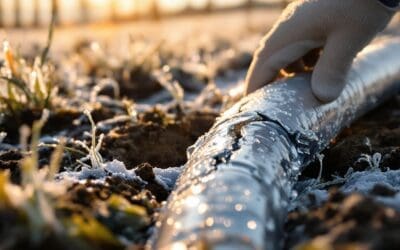
If ice sat on your lawn less than a week you can usually relax, but when it lingers for several weeks it can suffocate crowns and roots and cause winterkill, especially in low, poorly drained spots or on thin-rooted cool-season grasses; now gently check crowns and roots after thaw, avoid walking or mowing until new growth appears, lightly rake matted areas, plan aeration and overseeding for damaged patches, and monitor for greening over 7–14 days — keep going to learn specific tests and fixes.
Some Key Points
- Short, temporary ice that melts within days rarely harms healthy turf; worry only if ice persists beyond about 30 days.
- Look for wilted, discolored crowns and foul odors after thawing—those signs indicate permanent ice injury.
- Cool-season grasses and low, poorly drained spots are most vulnerable and need closer monitoring.
- After melt, avoid traffic, gently rake matted areas, and wait for active new growth before fertilizing or mowing.
- Extensive brown patches, slimy roots, or slow green-up over 7–14 days suggest renovation or reseeding may be required.
What “Ice Damage” Actually Means for Turf Health

Think of ice damage as the turf’s slow suffocation: when a lawn gets smothered by a long-lasting sheet of ice, gas exchange between the soil and the air stops, roots can’t breathe and they slowly weaken, and the grass can’t take up water because that water’s locked in as ice — this is where winterkill begins, especially in poorly drained spots or areas that go through repeated freeze–thaw cycles. You’ll see blades wilt or turn brown or gray, a clear sign the plant’s stressed because prolonged ice cover altered soil temperatures and trapped moisture as unusable ice. Now, the key is to reduce traffic on frozen ground, improve drainage where you can, and monitor thaw patterns so you catch trouble early, that way your lawn can recover come spring. Consider dethatching in spring to help restore air and water movement to the soil and promote recovery thatch removal.
How Long Does Ice Need to Sit Before Grass Is at Real Risk?
You’ve already seen how a lingering sheet of ice chokes gas exchange and stresses roots, so now you need to know how long that sheet has to sit before real damage starts — in general, ice that stays put for more than about 30 days becomes a serious risk. For you, that means monitoring is essential, because short freezes that melt in days rarely cause lasting harm, while prolonged periods invite trouble: trapped ice crystals grind blades, block oxygen, and create damp conditions that favor crown hydration issues and fungal problems. Now, the key is timing and observation, check your lawn regularly, note duration, and intervene if ice persists toward that 30‑day mark, since acting then often prevents significant turf loss. Consider using summer lawn care products and practices to help reduce stress and improve recovery.
Which Grass Types and Lawn Conditions Are Most Vulnerable to Ice

Now you’ll want to watch cool-season lawns and any turf with thin or shallow roots, because while some cool-season varieties tolerate cold better, others like perennial ryegrass have lower winter hardiness and can suffer under prolonged ice. This is where low spots and poor drainage matter, since ice pools in those areas and suffocates crowns, so you should check grade and improve drainage before freeze-up. The key is to avoid close mowing and heavy traffic on frozen ground, because compacted soil and reduced carbohydrate reserves make recovery much harder, so leave blades a bit longer and limit weight on the lawn when ice’s on the surface. Consider overseeding thin areas in fall with zoysia grass to build denser, more resilient turf before winter.
Cool-Season Grass Vulnerability
When ice sits on your lawn for days, it’s the cool-season grasses—Kentucky bluegrass, tall fescue, and perennial ryegrass—that you need to watch most closely, because prolonged ice cover cuts off gas exchange and starves the plants of oxygen; the key is to identify which grass and which spots are most at risk so you can prioritize care come spring. You’ll notice trouble where water pools or drainage fails, because those low spots hold ice longer, and where you mowed too low before winter, since shorter turf has fewer carbohydrate reserves to survive winter dormancy. Now, this is where gentle inspection and reduced foot traffic pay off: mark vulnerable areas, avoid walking on frozen turf, and plan targeted spring recovery so your lawn recovers faster.
Thin Or Shallow Roots
Because shallow roots can’t reach deep, unfrozen soil, lawns with thin or shallow root systems are much more likely to suffer when ice sits on the surface, and you’ll want to spot them now so you can protect those areas before spring. If your lawn is mostly perennial ryegrass or was mowed very short before winter, you’re looking at higher risk of ice damage because those roots lack depth and carbohydrate reserves, and the turf can’t anchor or recover well. Now, walk your yard to identify weak patches, note spots with poor drainage, and prioritize thicker, hardier species like Kentucky bluegrass when you overseed, the key is strengthening roots before freeze-up so you limit winter loss.
Low Spots And Compaction
If your lawn has low spots or compacted soil, those are the first places you should check for ice damage risk, because water pools there and freezes into thick, long-lasting ice that suffocates roots; walk the yard to find depressions and areas that feel hard underfoot, note spots where runoff collects after a rain, and mark locations with heavy winter foot traffic that will compact the soil further. Now, the key is recognizing vulnerability: cool-season grasses like Kentucky bluegrass handle cold better, but in low spots or compaction they still face winterkill, and immature seedlings planted late are especially at risk. What to do next is simple, aerate or top-dress compacted areas, improve drainage in depressions, and avoid traffic to let roots recover.
Signs That Turf Is Simply Dormant vs. Signs of Permanent Ice Injury

While turf often looks lifeless after a hard freeze, you can usually tell dormancy from permanent ice injury by watching how the grass behaves and changes as temperatures rise, so start by checking colors, texture, and smell and note any patterns in the damage. You’ll recognize dormant turf when brown blades feel crisp but the area begins to green up within one to two weeks once it warms, showing no foul odors and no expanding edges. This is where permanent ice injury stands out: blades wilt, turn whitish or dark brown, may mat down, and often give off a putrid smell, especially in spots with prolonged ice cover or heavy winter traffic. The key is monitoring recovery and watching for growing patches of death. Homeowners can reduce risk by using preventive products like lawn disease prevention granules and avoiding excessive winter traffic on vulnerable turf.
How to Inspect Crowns and Roots Safely After Ice Melts
Now that the ice has melted, start by checking crown moisture first, gently probing the base of grass plants to feel if the crown is solid and still has some give, because a firm, greenish crown usually means the plant is alive. This is where you’ll gently lift small plugs of turf, one at a time, to inspect roots — look for intact, moist roots rather than dry, brittle ones, since moist, white or light-colored roots indicate recovery potential. If you spot dark, slimy patches or irregular discoloration, treat that as possible fungal infection and act quickly, but wait until the lawn’s dry to get a clear, safe assessment. If recovery seems uncertain, consider targeted curative treatments and follow label directions for fungal lawn diseases.
Check Crown Moisture First
Because the crown — the short, often unseen band of tissue where grass shoots meet roots — is the engine of recovery after ice, you’ll want to check its moisture before doing anything else, and the key is to do that carefully so you don’t cause more harm. Start when soil has thawed, and use a cup-cutter or spade to remove small plugs from both troubled and healthy spots for comparison, this is where you judge crown moisture by feel; a healthy crown feels moist but not soggy. Gently examine the root system for firm white roots versus brown, mushy decay, then monitor those plugs over the next 1–2 weeks, because firm, moist crowns usually recover with warmer weather.
Gently Lift Small Plugs
If you suspect ice has stressed your lawn, start by gently lifting small plugs with a cup-cutter or spade so you can see what’s happening at the crown—the short band where shoots meet roots—and avoid tearing healthy tissue in the process. Now, take plugs from both damaged and undamaged spots, you’ll compare soil contact, crown firmness, and root development side by side, which helps you judge recovery potential. This is where good lighting matters, so inspect in daylight and note color and texture: firm, green crowns and white, crisp roots signal resilience, while mushy crowns or brown, slimy roots suggest damage or disease. The key is gentle handling, repeated checks over weeks, and keeping your neighborhood of lawns in mind as you decide next steps.
Inspect Root Coloration Carefully
After the ice melts, take a calm, close look at the crowns and roots by gently lifting small plugs with a cup-cutter or spade, because what you see there will tell you whether the grass is likely to recover or needs intervention; this is where color and texture matter most, so work in daylight, remove just enough soil to expose the crown—the short band where shoots meet roots—and avoid tearing healthy tissue. Now, inspect root coloration carefully, because healthy crowns are creamy white or light green and roots should be firm and white, while dark brown or black crowns and mushy, dark roots mean rot or injury; the key is gentle probing, tracking changes over weeks, and using sensible lawn care steps if decline appears.
When Ice Leads to Secondary Problems (Suffocation, Desiccation, Mold)
When ice builds up over your lawn for days or weeks, it doesn’t just look ugly — it sets off a chain of secondary problems you’ll want to catch early, because the damage can be subtle at first but get worse fast; ice blocks air pockets in the soil and crowns of the grass, locking out oxygen (suffocation), it traps water in a frozen form so roots can’t take it up (desiccation), and it creates a cold, damp blanket that lets molds and fungi take hold, like snow mold, which shows up as circular mats of dead-looking turf in spring. Now, check vulnerable spots, especially on thin or cold-sensitive turf, because freeze-thaw cycles harm crowns; the key is improving drainage and avoiding traffic so you protect crowns and reduce mold risk. Consider adding drainage fabric to critical areas to help prevent prolonged surface ice and standing water.
A 5-Step Quick Test to Decide Whether to Worry or Wait

You’ve already learned how ice can smother crowns, trap moisture, and invite mold, so now it’s time to check whether your lawn needs immediate rescue or just a little patience. First, walk the turf, note where temperatures fluctuate and look for Brown patches or crispy, gray blades that signal desiccation, that’s your early alert. Next, consider how long ice lasted, because prolonged cover reduces gas exchange and stresses crowns. Now, perform a plug test by removing a small turf section to inspect crown and roots; healthy, firm tissue means wait and watch. Over the following 7–14 days, monitor greening and new growth; if recovery stalls, act on drainage and ice-reduction fixes to prevent further loss. Consider using preventative fungicides as part of your winter lawn-care plan to reduce the risk of snow mold.
Immediate Do’s and Don’ts Once Ice Thaws
Now that the ice has melted, resist the urge to walk across the thawing turf, because frozen ground and weakened grass blades can bruise easily and compact the soil, making recovery slower. The key is to wait to mow until you see active new growth in spring, which tells you the grass has regained strength and won’t be further stressed by cutting. If you spot wilted or brown patches, gently rake matted areas to improve airflow and monitor for recovery over the next week or two before taking any aggressive repair steps.
Avoid Walking On Turf
Because the ground can stay soft and vulnerable even after the ice melts, step off the lawn and keep traffic to a minimum so you don’t compact or tear the recovering turf; the key is patience, not panic. When you avoid walking on turf, you’re protecting blades that look brittle now but are likely just stunned, and frozen grass can still be soft underneath, so every footstep risks rutting or crushing new shoots. Now watch for green returning and stems standing up, this is where you’ll know the lawn’s bouncing back, and until then, redirect kids, pets, and chores to paths and driveways. If areas stay thin after a couple weeks, then assess for overseeding or small repairs, but give nature a chance first.
Wait To Mow
Once the ice has melted, resist the urge to mow right away, because the grass often needs a little more time to regain strength and a premature cut can do more harm than good; the key is to watch for visible signs of recovery, not the calendar. Now, walk your yard gently and wait until the lawn shows true regrowth, a green, resilient look that means blades and roots are recovering; this is where patience pays off, because cutting too soon stresses fragile tissue and can delay repair damaged areas. When you do mow, set the deck high, trim only when grass stands firm, and avoid scalping, because that supportive height helps crowns rebuild, encourages healthy growth, and leads to observable recovery.
Recovery Actions That Help (Mowing, Aeration, Fertilizing, Overseeding)

Start by treating your turf like a patient that’s starting to wake up, because the actions you take now will set the pace for recovery: the key is to be deliberate and gentle, mowing at the highest recommended height for your grass type so you don’t shock new growth, lightly raking matted areas to improve air circulation and let sun and warmth reach the crowns, and planning aeration to relieve any compaction the ice caused so water, nutrients and oxygen can actually get to the roots; resist the urge to feed with nitrogen until you see active spring growth, since fertilizer won’t repair frozen tissue and can add stress, and if you’re going to overseed, pick a compatible seed, press it into good soil contact and keep it evenly moist so those new plants can establish without being outcompeted. Now, follow a slow sequence—mow high, rake gently, aerate where compacted, hold off on nitrogen, overseed carefully—and you’ll help your lawn recover without overreacting, joining others who’ve seen steady, observable improvement.
When to Replace Turf: Sod, Plugs, or Full Renovation?
If you’ve been patient with recovery steps but by mid-spring brown patches are still hanging on, now’s the time to decide whether to replace turf, and the key is matching the fix to the scale of the damage and the lawn’s underlying health. You’ll check whether small plugs of grass regreen, because if they do, that suggests dormancy not death, and you can keep working recovery steps; if they don’t, replacement makes sense. For a few isolated spots, take plugs from healthy areas to fill gaps, now, and watch them root; for larger dead zones, roll out sod for immediate coverage. This is where a full renovation comes in, when widespread dieback or poor soil means you need to prep, reseed, and rebuild the lawn.
Preventing Future Ice Damage: Site Fixes and Winter-Care Habits

When you’re committed to keeping your lawn healthy year-round, preventing ice damage starts with fixing the spots where water and cold meet—low, poorly drained areas where ice forms and sits—and with changing a few winter habits that stress turf, because small adjustments now pay off in a greener spring. Start by doing a soil test to learn compaction and pH, then aerate and topdress with sand or organic matter to improve pore space and proper drainage, this is where filling low spots matters most. Now, limit foot and vehicle traffic on frozen turf, gently remove excess snow from busy areas, and add windbreaks or plant barriers to reduce drying winds, the key is steady, simple care that yields healthier recovery.
Some Questions Answered
How to Fix Frost Damaged Grass?
You can fix frost-damaged grass by using proven frost recovery techniques: gently avoid walking on it until thawed, take turf plugs to check crown viability, then mow high as it regrows, and water sparingly to encourage roots. Now, this is where lawn repair methods like overseeding thin spots or replacing dead patches with sod or plugs come in, and you’ll see recovery in weeks if the crown’s intact, so be patient and steady.
Are You Supposed to Leave Your Grass Long or Short for Winter?
Absolutely leave it longer for winter: taller turf shields roots, now aim for an ideal grass height of about 2.5–4 inches for winter grass maintenance, the key is insulation and stored energy. Trim progressively in fall, not abruptly, this preserves carbohydrate reserves and helps snow trap for extra warmth. Come spring, you’ll see quicker recovery if you cut conservatively, monitor moisture, and only mow lower once growth resumes.
Can a Plant Recover From Frost Damage?
Yes, plants can recover from frost damage, now the key is evaluating crown health and using frost recovery strategies, because plant resilience factors like species, dormancy, and root condition determine outcome. You’ll watch for thawed, flexible crowns, wait a couple weeks of warm weather, lightly rake matted areas to boost air and growth, avoid early mowing, and if recovery stalls consider replacement; you’re not alone, this is where patience pays.
Will Frost Kill My New Turf?
Yes, frost can kill new turf if temperatures plunge and roots are weak, but usually it just looks sad, browned, or matted; now assess frost tolerance levels for your grass, that’s the key, and follow turf care tips like keeping off frozen areas and letting crowns thaw naturally. This is where patience pays: avoid heavy traffic, monitor recovery over 1–2 weeks, and act only if damage persists or deep freeze occurred.