Climate change is shortening dormancy and causing freeze–thaw cycles that stress roots, spur winter fungal issues like snow mold, and let pests and winter weeds survive and act earlier, so you’ll need to adjust timing and practices: cut back late‑fall nitrogen and use a slow‑release, high‑potassium feed 4–6 weeks before hard freeze, core‑aerate and overseed earlier, fix drainage and reduce traffic, and monitor soil temps for pests and weeds—now follow practical steps below to adapt effectively.
Some Key Takeaways
- Milder winters shorten dormancy, causing cool‑season grasses to grow in warm spells and deplete root carbohydrate reserves.
- Increased freeze–thaw cycles and wet mild periods stress crowns and raise snow‑mold and other fungal disease risks.
- Warmer winters boost survival and earlier activity of pests and winter weeds, requiring earlier, more frequent monitoring.
- Altered precipitation and meltwater pooling worsen drainage and compaction, increasing localized turf thinning and fungal outbreaks.
- Adjust cultural practices: extend mowing, time aeration/overseeding with soil temperatures, remove leaves, and improve drainage.
How Milder Winters and Freeze–Thaw Cycles Change Lawn Dormancy
Even though winters used to give your lawn a predictable rest, milder temperatures are shortening those dormancy periods and making grasses wake up during warm spells, so you’ll need to adjust how you prepare for winter now. You’ll notice milder winters let cool‑season grasses push growth intermittently, which drains root carbohydrates needed for hard freezes later, and this is where freeze–thaw cycles add insult, repeatedly forming and melting ice that stresses crowns and roots. Now, the risk of snow mold and other fungi rises when lush, active tissue appears during wet mild stretches, so the key is shifting to late‑fall practices: finish mowing at a moderate height, apply a winterizer with potassium, clear debris, and avoid heavy traffic to protect roots. Use preventative fungicides and targeted products to prevent snow mold when conditions favor fungal growth.
Recognize Winter Stress Signs Caused by Climate Shifts
When winter starts behaving unpredictably, you’ll see it in the turf if you know what to look for, so start by walking your lawn on mild days and after thaws to spot early warning signs; thin, patchy areas and tufts of heaved soil often mean repeated freeze–thaw cycles have broken roots and lifted crowns, while slow or uneven spring green‑up tells you dormancy was interrupted and root vigor took a hit. Now, look for brown rings, slimy mats or distinct patches where snow mold took hold, and check edges for salt browning from runoff, because these show moisture and salinity stress. This is where you assess root health by probing gently, note winter weeds that survived mild spells, and plan targeted fixes so your lawn recovers together with your neighborhood of care. Consider scheduling fall aeration and overseeding to improve soil health and turf density for the following winter, focusing on soil aeration to enhance root development.
Adjust Your Late-Fall Fertilization and Nutrient Plan
Since winters are shifting, now’s the time to rethink your late‑fall fertilization so your turf goes into dormancy with stronger roots and less risk of disease. You’ll shift toward a slow-release, high‑potassium formula, applied about 4–6 weeks before the first hard freeze, this strengthens roots and improves cold tolerance; reduce nitrogen to near zero to avoid late growth that invites fungi. The key is a soil test, now, so you can lime if pH is under 6.5 and add potassium if levels are low, aiming for 1–2 lb K2O per 1,000 sq ft in the final feed. Time applications after final mowing and debris removal, avoid frozen or saturated ground, and favor organic slow-release amendments where winters are wetter. Consider incorporating bulk lime and soil amendment options to correct pH and supply nutrients efficiently with bulk lime products.
Timing Aeration and Overseeding for Unpredictable Winters
If winters in your area are wobbling between mild stretches and sudden freezes, you’ll want to time aeration and overseeding with care so your lawn isn’t caught off guard; start planning core aeration about 4–6 weeks before your average first hard freeze, because loosening compacted soil now helps roots recover and gives seed a better bed before freeze–thaw cycles kick in. Now, if grass stays active later, delay overseeding until soil temps fall near 50°F so seedlings aren’t outcompeted, and increase your seeding rate 20–30% to offset seed loss from washout or frost heave. This is where combining aeration with a thin compost or top-dressing and proper starter fertilizer improves seed-to-soil contact and spring emergence. Consider using a manual core aerator to improve soil penetration and remove plugs for better soil aeration.
Modify Mowing Schedules When Grass Keeps Growing
Often you’ll notice your lawn keeps growing well past the usual cutoff, and that means you’ll need to rethink the mower routine rather than stick to a calendar date; the key is to slow the rhythm—mow less often but keep the blade height at 3–3.5 inches to protect crowns and reduce disease pressure, because taller grass shades roots and conserves energy for late-winter stress. When cool-season grasses keep active because degree-day trends show sustained warmth, extend mowing into late fall and early winter, cutting no more than one-third of blade length per pass, sharpen blades, and avoid bagging clippings, since mulch-returning clippings recycle nitrogen and feed roots. Now, watch soil moisture, skip mowing when turf’s wet to reduce compaction and fungal spread, and adjust by observation, not a date. Consider also selecting spring lawn care products that support healthy turf as seasons shift.
Winter Watering Strategies for Warmer, Wetter Winters
You’ve already slowed the mower and raised blade height to protect crowns, and now you’ll want to give the same attentive adjustment to watering because warmer, wetter winters change how and when turf gets moisture. Now, you’ll reduce routine irrigation, checking the top 2–3 inches of soil and only watering if it’s below 50% moisture, because overwatering plus frequent rain invites problems. The key is timing: don’t water near-freezing nights, aim for late morning to early afternoon, and suspend supplemental runs 48 hours before and after heavy rain to prevent runoff and nutrient loss. This is where improving soil infiltration helps—core aerate and add a thin compost top-dress so excess water drains, protecting roots and lowering snow mold risk. Improving infiltration with core aeration and organic top-dressing also reduces compaction and helps lawn roots access oxygen and nutrients.
Preventing and Managing Snow Mold and Fungal Outbreaks
Now’s the time to watch for early symptoms like circular, matted patches or pinkish-gray fungal growth where prolonged, wet snow sat on unfrozen turf, because spotting problems early lets you act before they spread. This is where improving drainage and reducing compaction—by aerating, topdressing with a thin compost layer, and clearing leaf litter—helps the soil dry faster and lowers fungal survival, and if your lawn has a history of disease, consider a preventive fungicide applied 2–4 weeks before the usual heavy snow following label directions. The key is to adjust winter maintenance—keep mowing moderately in the fall, remove snow from vulnerable areas within 48–72 hours when you can, and in spring rake out diseased thatch and overseed thin spots to restore density and limit recurrences. Consider using biological thatch reducers to enhance microbial activity and help break down thatch before it shelters fungal pathogens thatch reduction.
Recognize Early Symptoms
When temperatures hover between freezing and about 50°F and humidity stays high, watch closely for slimy, water-soaked blades and a musty smell—that’s often the first sign of a fungal outbreak like snow mold, and catching it early lets you limit damage. You’ll often see circular, matted patches of gray or pinkish growth a few weeks after long snow cover, and white mycelium may appear at dawn; these early symptoms tell you something’s wrong. Now check places with compacted soil or standing water, since those conditions raise the risk of fungal diseases, and inspect edges near salt and piled snow for rapid thinning. The key is to act quickly—clean debris, note problem zones, and plan targeted fixes before winter deepens. Consider treating affected areas with targeted leaf spot sprays formulated for homeowners to prevent further spread.
Improve Drainage Quickly
If meltwater’s pooling on low spots or under packed snow, act fast to cut the moisture window that lets snow mold take hold, because trimming hours of standing water to mere minutes can be the difference between a tidy spring and patchy, slow green-up. You’ll want to regrade shallow depressions or add simple surface drainage so melt drains away, now, and for trouble spots use a short gravel French drain or 4–6 inch perforated pipe set to a slight slope to carry water off the turf. This is where core aeration, done before freeze-up, helps infiltration, and following with a 1/4–1/2 inch topdressing of screened compost improves porosity, reduces surface saturation, and cuts fungal risk.
Adjust Winter Maintenance
Because milder, wetter winters are making snow mold and other turf fungi more common, you’ll want to tighten up your late‑fall routine so the lawn’s crowns and blades aren’t sitting in a cozy, disease‑friendly environment, and the key is reducing moisture and compaction while strengthening the grass before dormancy. You’ll aerate compacted soil in late fall, now top‑dress with about a quarter inch of compost to boost soil health and drainage, and you’ll avoid mowing too short so blades dry faster and don’t mat; this is where snow mold prevention really starts. In areas with regular freeze‑thaw cycles, consider a late‑fall fungicide or a high‑potassium, low‑nitrogen winterizer 2–4 weeks before dormancy, and clear leaves and avoid piling snow on turf.
Protecting Turf From Freeze–Thaw, Ice, and Compaction Damage
Now’s the time to protect your lawn from freeze–thaw stress and winter compaction, because repeated thaw cycles can heave crowns and break fine roots, slowing spring green‑up and leaving bare patches. The key is to improve drainage and soil structure—think core aeration and adding a small amount of organic matter—leave grass a bit taller in late fall to insulate crowns, and avoid walking or driving on frozen or saturated soil by using temporary walkways or redirecting traffic. Do these steps, and you’ll see fewer ice‑suffocated areas and better spring recovery, with stronger roots and quicker green‑up.
Preventing Freeze–Thaw Damage
When winter swings between freezing nights and milder days, your lawn takes a beating from repeated freeze–thaw cycles that can heave and crack grass crowns and roots, so you’ll want to act now to reduce surface compaction and keep soil moving less. You’ll start by scheduling core aeration in late fall, which pulls plugs to relieve soil compaction and improves drainage and air exchange, reducing how much the ground lifts and settles. Now, raise your mower slightly before dormancy to preserve an insulating leaf cover that buffers temperature swings, and apply a thin compost top‑dressing to stabilize crowns. This is where limiting foot and vehicle traffic and avoiding piled snow or harsh chloride deicers really pays off, helping turf recover faster.
Reducing Winter Soil Compaction
You’ve already cut back on freeze–thaw damage by aerating and leaving a light leaf cover, and the next step is to protect the soil itself from the extra squeezing that winter cycles and heavy loads bring. Now, the key is to core aerate in late fall so repeated freeze–thaw cycles won’t close pore space and raise bulk density, and after you do, apply a 1/4–1/2 inch organic topdressing of compost to stabilize aggregates and reduce ice-sealing. Limit foot and vehicle traffic when soil is wet or frozen, and use temporary walkways or boards to spread weight, because a single heavy load can cause lasting compaction. This is where mindful routing and avoiding repeated snow piles pay off with healthier spring green-up.
Soil Preparation: pH, Organic Matter, and Drainage Fixes
Because healthy winter turf starts below the surface, you’ll want to focus on soil pH, organic matter, and drainage before the cold really sets in, and the key is testing and targeted fixes so your lawn weathers freeze-thaw cycles instead of suffering from them. You’ll start with a soil test every 2–3 years to know ph and nutrients, then follow recommendations to lime or sulfur gently, because rapid swings harm roots. This is where soil structure and organic matter matter most: core aerate in late fall, top-dress after with 1/4–1/2 inch compost to reach 3–5% organic matter, and consider humates per label to boost microbes. If water pools, fix drainage with sand-amended low spots, swales, or subsurface drains so freeze-thaw won’t wreck your turf.
Choosing Grass Species and Cultivars for Changing Winters
If winters where you live are getting warmer or more erratic, you’ll want to choose grass types and cultivars that actually match those new conditions, not the past you remember; the key is selecting varieties with proven cold tolerance, strong crowns, and good disease resistance so your lawn weathers freeze‑thaw cycles and comes back quickly in spring. You’ll favor cold-tolerant cultivars like select Kentucky bluegrasses or turf-type tall fescues with deep roots, and prioritize drought- and freeze‑resilient varieties where winters are milder and wetter, now choosing options with snow‑mold resistance and high crown durability scores. This is where mixed seed blends help, and the next step is to consult local trial data and your soil test before buying seed.
Integrated Pest and Weed Monitoring During Mild Winters
Now that winters are warming, you’ll start seeing early pest activity and winter weeds like chickweed and annual bluegrass show up weeks sooner, so begin watching your lawn in late winter instead of waiting for spring. The key is to inspect regularly—do biweekly visual scans, set sticky traps for flying insects, and take a couple of soil cores to check for grubs—while avoiding surveys when turf is wet, because moisture hides signs and raises disease risk. If soil temperatures stay above about 45°F or your winter is 2°F–4°F warmer than normal, lower your action thresholds and record temperature and precipitation anomalies so your responses get sharper each year.
Early Pest Activity
It’s common to see pest activity creep earlier in the season when winters warm, so you’ll want to sharpen your monitoring routine to catch problems before they explode. In milder winters you’ll notice cutworms, grubs, and some aphids lingering or reappearing sooner, and the key is to monitor soil temperatures, since insect development speeds up once soil stays around 7–10°C at 2–4 inches, so start inspections then. Now, this is where Integrated monitoring helps: set pheromone or pitfall traps, walk high-risk zones weekly, and record signs like frass, chewed crowns, thinning patches, or slime after warm, wet spells. Act early, improve drainage and soil health, cut excess nitrogen, and spot-treat to avoid bigger outbreaks later.
Winter Weed Surveillance
Because milder winters let winter weeds start earlier and more often, you’ll want to sharpen your surveillance routine so you catch seedlings before they take hold, and the key is watching soil temperature and trouble spots closely. You’ll monitor soil temps, especially during warm spells, because species like chickweed and annual bluegrass germinate once soil stays above about 40°F, and now you’ll inspect biweekly for green patches in shade, poor drainage, or compacted turf where winter weed activity concentrates. This is where integrated pest management guides you: identify species, record date, location, severity, prioritize cultural fixes like improved drainage and overseeding, then apply targeted pre‑emergent or spot post‑emergent controls when labels and conditions align, so you reduce weeds long term.
When to Hire a Pro: Services That Help Adapt to Climate Impacts
When shifting weather patterns make your usual winter routine less reliable, you’ll want a pro on call to adapt techniques that protect your lawn and reduce surprises come spring; the key is knowing which services give the biggest return for winter resilience, and when to book them. Now, hire a professional for late-fall core aeration and overseeding, because improving root oxygen and seed contact prevents thin patches after freeze-thaw cycles. This is where soil testing helps, labs are cheap and fix nutrient imbalances so roots store carbs and potassium. Contract winterizing fertilizer with the right high-potassium rate, and plan drainage or snow-management to prevent ice layering and compaction. Finally, keep a trusted service for pest and disease monitoring during milder winters, they catch issues early.
Some Questions Answered
How Will Climate Change Affect Lawn Care Costs Over Time?
You’ll likely pay more over time, as rising fertilizer prices, higher insurance premiums, and increasing energy expenses push costs up, and labor shortages make skilled help scarcer. Now, the key is to adapt: consider soil testing to cut fertilizer use, invest in energy-efficient equipment, and build local crew relationships to offset shortages. This is where planning pays, you’ll protect your budget and keep your lawn healthy despite those pressures.
Can Native Plants Reduce Winter Lawn Maintenance Needs?
Yes, native plants can reduce winter lawn maintenance, and you’ll see benefits fast: native groundcovers stay low, cut mowing and edge work, now they boost seasonal biodiversity by providing winter habitat, this is where pollinator corridors form, helping insects move between sites, and the key is planting for soil carbon, which improves structure so water drains better. Start small, replace turf in problem spots, then expand confidently, you’ll save time and feel connected.
Are Chemical Treatments Less Effective in Warmer Winters?
Yes, they can be less effective in warmer winters, because reduced efficacy shows up when timing shifts and microbes change soil chemistry; now the key is adjusting application rates, since higher microbial activity can break down chemicals faster, so you’ll apply differently and test more frequently, this is where careful timing and soil checks matter, and when you follow those steps, you’ll regain control and see measurable improvements.
How Do Changing Winters Affect Irrigation System Winterization?
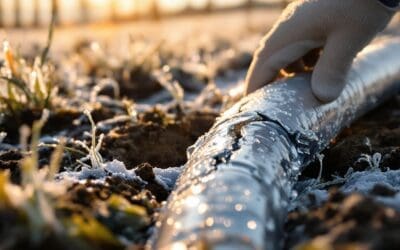
You’ll need to adjust irrigation timing because milder freezes shift freeze thresholds, so now you’ll water earlier or later to avoid frozen pipes and stressed turf, the key is monitoring temps. This is where pipe insulation and smart drainage matter, they prevent bursts and standing water, so flush and drain systems, add insulation, and program sensors, you’ll see fewer breaks and healthier lawns when you winterize with attention and care.
Will Climate-Driven Pests Introduce New Lawn Diseases?
Yes, you will likely see new lawn diseases as invasive beetles bring pathogens and novel fungi emerge, causing vector shifts and range expansions that change who gets sick and when, now watch your turf closely, this is where early detection matters: learn symptoms, document spots, and send samples to extension services, the key is prompt treatment and adapting care routines, so you’ll protect your lawn and feel confident managing these new threats.