You can protect your lawn this winter by prepping before the first freeze: mow slightly lower, clear leaves and debris, and apply a winter fertilizer with extra potassium once soils are above about 40°F, then aerate if soil’s compacted. Now direct people and pets onto marked, durable paths or stepping stones to avoid repeat traffic, and manage snow piles so they’re spread out; use sand or pet-safe de-icers for traction and check for damage early in spring to repair and aerate. Learn practical next steps.
Some Key Points
- Limit foot and vehicle traffic on frozen turf and designate clear winter pathways to prevent repeated compaction.
- Use durable, permeable path materials (gravel, stepping stones, rubber mats) to disperse weight and maintain drainage.
- Aerate lawns before freeze-up to relieve compaction, improve drainage, and strengthen roots for winter stress.
- Avoid dumping large snow piles in one spot; redistribute snow to prevent turf suffocation and uneven melt.
- Establish pet/play zones with mulch or stepping stones and use temporary barriers to steer traffic away from sensitive areas.
Prepare Your Lawn Before the First Freeze: Mowing, Cleanup, and Fertilizer

Even though frost might still be weeks away, now’s the time to get your lawn ready so it survives winter traffic and wakes up strong in spring: start by lowering your mower to 2–3 inches for cool-season grasses or 1.5–2 inches for warm-season varieties, which helps reduce snow mold risk and directs energy into the roots, then clear all leaves and debris so moisture won’t sit on the blades and invite fungal diseases. Now, you’ll follow with targeted cleanup and a winter fertilizer high in potassium to strengthen root growth, but first check soil temperature, because fertilizing when soil’s above 40–45°F guarantees uptake; this is where aeration helps reduce soil compaction and improve drainage, preventing problems and supporting lasting winter care. Consider using solid spike aerators to relieve compaction and improve water and nutrient movement in the root zone.
Create and Mark Durable Winter Walkways to Redirect Foot Traffic
Now’s the time to pick durable path materials like gravel, rubber mats, or stepping stones—these withstand winter wear and keep weight off dormant turf, which prevents compaction and crown damage. Mark those routes clearly with visible seasonal signage or flags, this is where guests and family need a firm, obvious cue to stay off frozen grass. Regularly check and refresh the markers and surface, and you’ll see foot traffic shift to the walkways, leaving your lawn healthier come spring. Consider using lawn drainage fabric underneath paths to help prevent water pooling and protect turf structure.
Durable Path Materials
When winter traffic starts grinding down your lawn, think about laying a clear, durable path—gravel, pavers, or stepping stones—and you’ll immediately cut down on soil compaction and accidental trampling of dormant grass. You’ll choose durable path materials that steer foot traffic away from vulnerable areas, using permeable materials so water drainage remains effective and ice is less likely to form; this protects grass roots below, keeping them healthier until spring. Now mark designated pathways with decorative stones or subtle markers, and consider raised walkways or mulch edges where snow piles or heavy boots concentrate, the key is creating a visible route people want to use. Inspect and maintain these routes through winter to prevent excessive foot traffic damage.
Clear Seasonal Signage
Your yard’s busiest routes get worn first, so make those paths obvious with clear seasonal signage that guides family, guests, and pets onto the durable walkways you’ve laid out; this is where a few well-placed signs, flags, or low-profile markers make a big difference in reducing winter compaction. Now, position stepping stones, mats, or gravel where people naturally walk, add visible signage to steer foot traffic away from vulnerable grass, and refresh markers when snow accumulation hides them, the key is consistency. Shovel and maintain clear walkways to prevent ice buildup, consider mulch or straw along edges for traction and to protect underlying lawn, and monitor shifting snow patterns so pathways don’t concentrate wear, adjust placement as needed to keep your shared space healthy.
Designate Pet Zones and Low-Impact Play Paths to Protect Turf

Because heavy winter foot traffic can crush dormant turf faster than you’d expect, set aside clear pet zones and low-impact play paths so the rest of your lawn can recover, this is where a little planning pays off. You’ll mark designated paths with stepping stones or mulch to limit soil compaction and protect overall turf health, and the key is to use barriers or simple fencing to steer pets and kids away from sensitive areas. Now, choose durable ground covers for high-traffic spots that stay attractive and resilient, and monitor those zones regularly, adjusting layouts when you see wear. This is where community-minded planning helps everyone enjoy the yard, you’ll reduce repair needs and keep your lawn looking cared-for. Consider incorporating grub control into your maintenance plan to protect turf health through the seasons.
Manage Snow Piles and Distribution to Avoid Repeated Compaction
If you let large snow piles sit in the same spot after every storm, they’ll smother the grass beneath and keep it wet and cold for weeks, so the key is to spread that snow more evenly across the yard instead of dumping it repeatedly on one patch. Now, when you manage snow piles, think about avoiding suffocation of turf by breaking big drifts into smaller sections you can distribute snow around the lawn, which eases compaction and reduces moisture retention. This is where air circulation and sunlight matter, so redirect piles from slopes and congested corners, and monitor snow accumulation after storms so you can adjust. Do this consistently and you’ll help guarantee healthy grass come spring. Consider using purpose-made lawn drainage products and fittings to manage meltwater and prevent prolonged saturation.
Limit Ice Damage: Safe De-Icers, Breaking Ice, and Sand for Traction

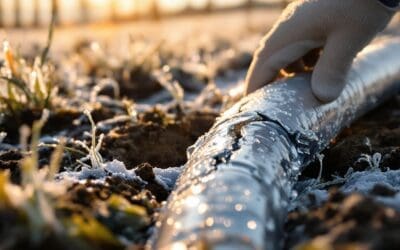
When ice builds up on your lawn or along walkways, act quickly to limit harm and keep things safe, because the right choices now will protect grass roots and soil structure through thawing and freeze cycles. You’ll want to choose safe de-icers like potassium chloride or calcium magnesium acetate instead of rock salt, spread them evenly to avoid concentrated chemical burns, and use sand for traction where foot traffic is needed, because grit protects people while protecting lawn health. Gently breaking ice helps promote airflow and prevent suffocation of turf beneath, now and then, so grass can respire; this is where careful tools and timing matter. Monitor ice conditions regularly, pace interventions, and you’ll limit ice damage while keeping your shared outdoor space resilient. Consider using lawn-safe ice melt products designed specifically for turf protection to minimize long-term damage.
Monitor and Repair Compaction Damage in Early Spring (Aerate, Overseed)
Spring’s thaw is the cue to walk your yard and look for signs the soil’s been packed down—bare spots, puddles that won’t soak in, or grass that’s thinner and slower to green up—and you’ll want to act quickly because those are exactly the places compaction has squeezed out air and water from the root zone. Now, assess compaction damage and plan to core aeration when soil hits about 50°F, because aeration opens soil structure so air, water, and nutrients reach roots, improving grass growth and turf density. This is where overseeding fills bare patches with compatible seed, helping recovery from winter traffic, and the key is to follow with a balanced fertilizer to support spring recovery and stronger, more resilient turf. For best results consider using core aerators designed for homeowners to ensure effective soil penetration without damaging the lawn.
Some Questions Answered
How to Protect Grass From Heavy Traffic?
You’ll protect grass from heavy traffic by directing footsteps to paths, yet you’ll still strengthen turf where people cross, now using lawn protection strategies that combine temporary walkways and protective measures, the key is seasonal lawn care—limit winter foot traffic, aerate for soil health maintenance to relieve compaction, and follow grass growth techniques and grass recovery methods; this traffic damage prevention and turf resilience tips will let your lawn bounce back, trust the process.
What Is the 150 Rule for Lawns?
The 150 rule for lawns says you should limit foot traffic to about 150 steps per spot each season to avoid compaction effects, so you’ll protect turf health and enable lawn recovery. Now, this is where traffic management and winter maintenance matter: use pathways, rotate routes, and prioritize soil aeration (that’s loosening compacted soil) to boost grass resilience. Stick with these seasonal tips, and you’ll see stronger turf protection and quicker recovery.
How to Reduce Soil Compaction in Lawns?
You reduce soil compaction by using soil aeration techniques, now aerate in spring or fall to open channels for air and water, this lawn maintenance tip boosts root development enhancement and grass health improvement. Add soil amendment options like compost for organic lawn solutions, fix lawn drainage solutions to prevent pooling, and follow compaction prevention strategies such as designated paths for winter lawn care; these turf recovery methods will restore firmness and vigor.
What Is the 1/3 Rule in Lawn Care?
The 1/3 rule means you only cut about one-third of each grass blade at a time, so you’ll keep turf health practices strong, encourage deeper roots, and avoid scalping; now, follow mowing frequency guidelines, pair this with soil aeration methods and fertilization techniques, and adjust irrigation schedules and pest management solutions, because lawn maintenance tips and grass growth strategies work together, this is where weed control measures and steady care pay off.