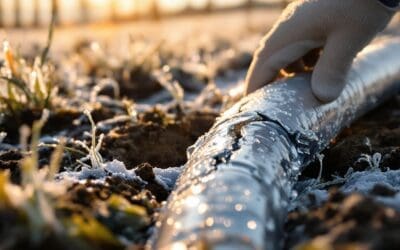
You’ll spot salt damage as brown or yellow rings by driveways, white crust on the soil, and slow spring green-up, and you’ll want to act fast: deeply water affected spots several times to flush salts, rake away dead grass, then apply gypsum to neutralize sodium and improve soil structure. Overseed with salt-tolerant grasses like tall fescue or perennial rye, adjust winter shoveling and de-icing, and plan aeration and soil tests for long-term recovery—now see how to implement each step.
Some Key Points
- Identify salt damage by brown/yellow turf edges, white crust on soil, and slow spring green-up near driveways and sidewalks.
- Immediately flush affected areas with deep, repeated watering to leach salt from the root zone.
- Apply gypsum and rake away dead grass to neutralize sodium and improve soil structure and air penetration.
- Overseed in early spring with salt-tolerant grasses (tall fescue or perennial ryegrass) and use slow-release fertilizer.
- Prevent recurrence by creating a 12–18 inch buffer, using alternative de-icers, and moving snow piles away from grass.
How to Spot Salt Damage Quickly on Turf Near Driveways

Start by scanning the edges of your driveway and sidewalk for telltale signs, because salt damage is usually obvious if you know what to look for: brown or yellow patches in the turf mean salt has pulled moisture out of the grass, a white, crusty layer on the soil surface signals excessive salt buildup that can’t easily wash away, and slow, patchy green-up in spring shows the roots are struggling beneath the surface. Now, walk the perimeter, note brown patches near driveways where snow and de-icers concentrate, and feel the soil surface for crusting that prevents moisture from returning; this is where salt damage undermines grass health, stunts recovery, and keeps stressed turf from thriving unless you act together with neighbors to reduce excess salt. Consider using salt damage neutralizers to help restore soil balance and support turf recovery.
Immediate Fixes to Flush and Neutralize Salt-Soaked Soil
You’ve already walked the edges and felt where the soil’s crusted, and now it’s time to act on those salt-hit patches so they don’t keep dragging your lawn down. Start by deeply watering affected areas with a garden hose until you see pooling, repeat three to four times to flush salt and leach excess sodium, this is where patience pays off. Next, apply gypsum at the recommended rate, it helps neutralize sodium and improve soil structure so water moves better, then water again to wash away sodium sulfate and guarantee improved soil conditions. Rake off dead grass to speed recovery and keep monitoring, especially during winter thaws, so you prevent future salt buildup and help your lawn heal. Consider using pelletized lime to help restore soil pH and improve nutrient availability pelletized lime.
Repair Steps: Raking, Overseeding, and Choosing Salt-Tolerant Grass

Grab a sturdy rake and get to work: removing the dead, crusted grass and broken blades not only makes the area look better, it opens the soil so air, water, and seed can do their jobs—this is where recovery begins. As you finish raking, plan overseeding with salt-tolerant grasses like tall fescue or perennial ryegrass, because these varieties boost lawn resilience and replace patches hurt by salt damage. The key is proper timing, early spring, when soil warmth and moisture favor grass growth and germination. After spreading seed, apply a balanced fertilizer that releases nutrients slowly, then commit to regular maintenance, watering and mowing to support establishment. Stick with these steps, and you’ll see steady recovery and a stronger lawn. Consider using premium grass seed selected for performance to give your lawn the best chance at long-term resilience.
Preventive Winter Tactics for Driveway- and Sidewalk-Adjacent Lawns
When winter brings icy sidewalks and piled snow, think ahead and protect the strip of grass beside your driveway and walkways by creating a simple buffer—shovel the edge back 12 to 18 inches so melting water and salt never have a direct path onto the turf, because keeping that distance cuts down on concentrated runoff and gives your lawn a much better chance come spring. You’ll want to combine that buffer zone with alternative deicing materials, like calcium magnesium acetate or sand, and temporary barriers such as plastic edging or burlap fencing to block salt spray. Now manage snow piles by moving or dispersing them, educate neighbors about eco-friendly deicing practices, and keep checking the lawn adjacent areas to prevent salt damage. Consider installing drainage fabric beneath the buffer to help divert excess meltwater away from vulnerable turf.
Long-Term Soil Care: Gypsum, Aeration, and Monitoring Salt Levels

If your lawn’s been taking the brunt of winter salt, now’s the time to think long-term about fixing the soil so the grass can recover and resist future damage; the key is using targeted amendments like gypsum, routine aeration, and regular salt-level checks to restore structure and keep sodium from building up. You’ll see results when you apply gypsum—calcium sulfate—because it helps displace sodium ions, improving soil structure and water penetration, now pair that with aeration in spring and fall to relieve compaction and let roots breathe. Do soil testing to monitor salt levels, then water deeply to flush salts when needed, and repeat gypsum at the recommended rate while keeping up watering, fertilization, and routine care for lasting soil health. Agricultural lime products can also be part of a long-term soil management plan to adjust pH and improve nutrient availability with soil amendments.
Some Questions Answered
How to Fix Grass Damaged by Salt?
You flush salt by deeply watering damaged patches, then test the soil to check sodium and pH, because soil testing guides gypsum use and fertilizer application. Now aerate the lawn to improve drainage, rake out dead grass, and overseed with salt resistant varieties like tall fescue, using grass reseeding for rehabilitation. The key is consistent watering techniques, light fertilizer, and choosing salt tolerance, so your lawn recovers responsibly with minimal environmental impact.
How to Neutralize Salt in a Lawn?
You flush salt by testing soil salinity, then using irrigation techniques to deeply water and leach salts, this is where drainage solutions help prevent re-accumulation; apply soil amendments like gypsum and organic treatments such as compost, the key is combining these with mulching methods and winter maintenance to protect roots. Choose salt-tolerant grass types, monitor with regular salt testing, and keep lawn care consistent, you’ll see recovery over weeks.
Will Grass Grow Back After Salt?
Yes, grass can grow back after salt, and you’ll see recovery if you act, because salt tolerance varies and the key is salt mitigation. Picture your lawn like a tired friend you’ll nurse back to health; now flush soil with irrigation techniques to remove salts, add soil amendments like gypsum, overseed with salt-tolerant varieties for plant selection, and use seasonal strategies and turf management to restore soil health and grass resilience.
How to Prevent Salt Damage?
Prevent salt damage by choosing salt resistant grasses and salt tolerant plants, now combine winter road treatment choices with lawn watering techniques to dilute runoff, and this is where soil pH management matters, adjust pH to help recovery. Mulch application benefits root protection, proper fertilization practices boost resilience, and landscaping alternatives plus drainage improvement methods redirect salts away. Seasonal maintenance tips, like shoveling and neighbor education, keep your lawn healthy, so act promptly.