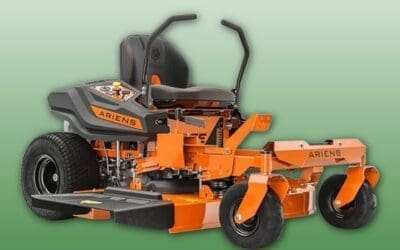
You’ll like the SENIX LSPG‑M7 if you want a straightforward gas mower that starts reliably, cuts evenly, and handles thicker patches without bogging down, thanks to its 140 cc Briggs & Stratton engine and 21‑inch steel deck; it gives you 3‑in‑1 mowing (mulch, side discharge, bag), six height settings, a 16‑gallon bagger, and light maintenance needs, so now test it on a small to medium yard to confirm fit, and the rest of the review explains what to expect next.
Some Key Points
- Powered by a 140 cc Briggs & Stratton engine, the mower delivers steady torque and reliable pull-start operation.
- The 21-inch steel deck supports 3-in-1 mowing: mulching, side discharge, and 16-gallon bagging.
- Six height settings and ergonomic handle provide customizable, comfortable mowing across varied turf conditions.
- Weighing 54 pounds with a 2-year limited warranty, it’s durable and suitable for small-to-medium yards.
- Routine gasoline maintenance (oil, blade, deck cleaning) is required but yields consistent cutting performance and longevity.
Real-World Performance: How the SENIX LSPG‑M7 Cuts, Starts, and Handles Different Lawns

When you pull the starter and the Briggs & Stratton engine kicks over, you’ll notice the LSPG‑M7 gets into a steady, low‑vibration rhythm quickly, and that steady power is the foundation for how it cuts through different lawns; you’ll feel immediate starting reliability, then observe consistent cutting efficiency across thin and thicker grass. Now, guide it at a steady pace, adjusting the six height settings to match turf needs, and the mower responds predictably, giving even swaths. This is where simple maintenance pays off, so check oil and blade sharpness regularly, and you’ll join others who trust its dependable performance. For best lawn health, consider soil pH and the benefits of lime application to complement regular mowing.
Engine, Deck, and Cutting System: What the 140 Cc Briggs & Stratton Engine, 21 Steel Deck, and 3‑In‑1 Options Deliver

You’ve already felt how the Briggs & Stratton 140 cc engine settles into a steady, low‑vibration rhythm, and now it’s helpful to look at how that power combines with the 21‑inch steel deck and the mower’s 3‑in‑1 options to shape your cut. You’ll notice engine performance gives consistent torque, so you can trust steady blade speed through thicker patches, and the 21 steel deck adds deck durability against knocks and wear. This is where mulching, side discharge, and bagging earn their keep, so now, try each mode on a small strip, observe results, and pick what matches your yard. Essential lawn care starts with the right tools, and having a reliable mower is a key part of basic lawn maintenance.
Usability and Maintenance: Ergonomics, Maneuverability, Height Adjustments, Included Accessories, and Routine Upkeep

Because you’ll be spending a lot of time behind the handle, start by getting comfortable with the mower’s ergonomics and controls so every mow feels easier and more deliberate; the SENIX LSPG-M7’s ergonomic handle is shaped to reduce wrist strain and offers a solid grip, so adjust it to a height where your arms stay slightly bent, keep the Prime N Pull starter at hand for smooth cold starts, and test the levers and safety bars before you cut to make sure everything engages cleanly. Now focus on maneuverability, wheel grip on rough ground, the six-position height adjustments, included accessories like the 16‑gallon bagger and mulch plug, and follow simple maintenance tips — clean the deck after each use, check oil and blade sharpness regularly, and store it dry — so your mowing stays consistent, predictable, and welcoming every season. We also offer a range of lime spreaders and accessories tailored for homeowners who maintain their lawn and landscape.
Value and Reliability: Weight, Warranty, Customer Ratings, and When the LSPG‑M7 Is a Good Buy
If you’re weighing value against dependability, the LSPG‑M7 gives you a straightforward proposition: at 54 pounds it’s light enough to handle without wrestling, yet built around a 140 cc Briggs & Stratton 4‑cycle engine that’s known for low vibration and long life, so you’ll spend more time mowing and less time in the shop; now the key is to pair that manageable weight and rugged engine with the included 2‑year limited warranty and solid user feedback — a 4.3‑star average from 641 reviews — to judge whether it meets your expectations for daily use, because those numbers tell you the mower is generally reliable for small to medium yards but not indestructible, meaning you should expect routine upkeep, like oil checks and blade care, to keep performance steady and the warranty useful if something major crops up. Now, for a clear price comparison, weigh consumer preferences — if you want straightforward reliability, modest cost, and easy maintenance, this mower fits well; if you need heavy‑duty, pro‑level endurance, look higher. The mower also suits homeowners who prefer reel push mowers for regular lawn and landscape maintenance.
Final Verdict and Buying Checklist: Who Should Buy It, Alternatives to Consider, and Quick Pros/Cons Summary
When you’re choosing a mower that balances ease of use with dependable performance, the SENIX LSPG‑M7 is a sensible pick for many homeowners, and here’s why you should consider it: you get a 21-inch cut, reliable 140 cc Briggs & Stratton engine, and 3-in-1 mowing options, so mowing becomes smoother, faster, and more flexible. Buying considerations include yard size, desire for mulching or bagging, and how much weight you can handle. Suitable users are small-to-medium yard owners who want simple maintenance and solid reliability. Alternatives: lighter electric models for less upkeep, or self-propelled mowers for larger lawns. Pros: durable, versatile, affordable; Cons: push-only, gasoline upkeep.
Some Questions Answered
Can I Convert the Mower to Run on Propane or Electric Power?
You can, but it’s not simple: propane conversion kits exist for small engines, and electric conversion involves replacing the engine with a battery and motor, so both require mechanical skill, parts, and safety checks. Now, this is where you decide—research a propane conversion kit sized for 140 cc engines, or plan an electric conversion with a compatible motor, battery capacity, and chassis mods; the key is verifying fit, fuel lines, mounts, and warranty impact.
Are Replacement Parts Widely Available and Interchangeable?
Yes, replacement part compatibility is generally good, and you’ll find OEM parts through the manufacturer, while aftermarket options exist for common items like blades, belts, and filters, so you’re not stuck. Now, this is where you check model numbers and engine type, compare part specs, and buy from reputable sellers; the key is matching part dimensions and mounts, and if you need help, ask a community or dealer for confirmation before ordering.
What Is the Noise Level (dB) During Typical Operation?
Typical operation runs around 85–90 dB, so you’ll notice it but it’s within common mower ranges; now, this affects mower efficiency because louder engines often deliver more torque, yet you’ll trade noise for power. This is where hearing protection matters, so wear earmuffs, and the key is to compare noise comparison specs when choosing models. Follow routine maintenance to keep sound and performance steady, and you’ll get consistent cuts.
How Does It Perform on Steep Slopes or Banks?
You can use it on mild to moderate slopes, but don’t expect mountain-grade slope stability, so take care, slow down, and cut across grades rather than up and down. The mower’s traction on banks is decent thanks to its wheel setup, this is where good technique matters: keep feet planted, use short passes, and avoid wet grass. Now test a small area first, and you’ll see safer, more controlled results.
Is Assembly Required, and How Long Does It Take?
Yes — assembly’s required, and you should plan about 30–60 minutes; Assembly instructions are clear, they guide you step-by-step, and the key is to follow them in order. Start by attaching the handle and wheels, now secure the bagger and chute, tighten hardware as instructed, and add the included engine oil before first start. You’ll feel confident when each part aligns, and if you pause, the manual’s diagrams will get you back on track.