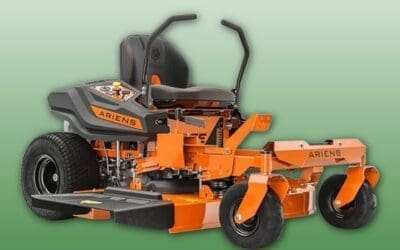
January’s cold, quiet month is ideal for you to winterize and service lawn gear, because you can catch small issues now and avoid spring panic; start by cleaning and inspecting tools for rust or wear, sharpen and balance mower blades, drain or stabilize fuel and change oil, check belts, cables, filters and spark plugs, lube bearings and moving parts, and test tires, spreaders and sprayers for clogs or leaks—do this now to guarantee smooth, reliable equipment and a faster spring startup if you want more tips.
Some Key Points
- Equipment is idle in January, giving ample time to inspect, clean, and repair before the busy season starts.
- Cold, dry conditions slow corrosion, making it easier to safely remove dirt, sap, and old grease.
- Winterizing engines and draining or stabilizing fuel prevents carburetor gumming during long storage.
- Early parts checks (belts, spark plugs, bearings) let you order replacements before spring demand peaks.
- Servicing blades, tires, and sprayers now ensures balanced, calibrated equipment for healthier lawns come spring.
Inspect and Clean Every Tool Before Storage

Start by laying out every tool you’ve used this season and give each one a close look, because early detection of wear, rust, or damage saves you time and money later. Now inspect handles, joints, and metal edges for cracks or corrosion, because catching a small issue now stops bigger repairs later, and you want your crew—friends, family, neighbors—to count on gear that won’t fail. This is where you clean thoroughly, scraping off dirt, grass clippings, and sap with a wire brush or scraper, then wipe and dry each piece. Lubricate moving parts with appropriate oil to keep things smooth, and store tools in a dry, protected spot; the key is consistent maintenance, which preserves performance and builds confidence. Consider checking your spreaders and other equipment for proper calibration and wear to ensure even application and longevity, especially important for lime spreaders.
Sharpen, Balance, and Service Mower Blades
You’ve already given every tool a careful look and a good cleaning, now it’s time to focus on the mower blades themselves, because dull or unbalanced blades are one of the fastest ways to undo all that prep work; a sharp blade slices grass cleanly so it heals faster and resists disease, while a torn blade leaves ragged edges that invite problems. Now, you’ll sharpen and balance the mower blades, because the key is a clean cut plus smooth rotation, and that protects your turf and your machine; sharpen at least once a season or every 20–25 hours, then check balance to stop vibration, service blade mounts and lubricate moving parts, and you’ll notice a healthier lawn and longer equipment life. Regularly inspecting blades alongside other essential lawn care tools can help you maintain a top-performing setup for the season, including lawn mowing equipment that suits your yard.
Drain, Stabilize, and Winterize Engines and Fuel

Think of winterizing your mower as giving the engine a small vacation it can actually recover from: drain or stabilize the fuel, change the oil, and follow the manufacturer’s winter-care steps so you won’t be met with carburetor gunk or corroded parts in spring. You’ll want to drain old gasoline if it’s been sitting, because stale fuel gums things up, or add a fuel stabilizer and run the engine briefly to circulate it through the system, this is where protection spreads to carburetor passages and lines. Next, change the oil so contaminants aren’t left to damage parts while stored. The key is following the manual’s winterize guidance, and doing this maintenance now keeps your equipment reliable and ready when the season returns. Using a quality winterizer lawn food can help ensure a thriving landscape come spring and complement equipment care by maintaining overall turf health winterizer lawn food.
Check Belts, Cables, Filters, and Spark Plugs
Now’s the time to inspect belts for cracks or glazing, because a worn belt can slip or snap when you need the mower most, and replacing it early saves you from last-minute breakdowns. Check cables for fraying or corrosion and clean or replace air filters—filters that are clogged reduce airflow and hurt performance, so swapping them or giving them a good clean will improve fuel efficiency and power. Finally, test spark plugs for wear and replace them if they’re fouled or pitted, this is where easier starts and smoother engine operation begin, and the key is doing these checks in January so your equipment is ready for spring. Consider assembling a basic maintenance kit with replacement parts and tools to make these tasks easier and faster, like replacement belts and common hand tools.
Inspect Belts For Wear
A good January check of belts, cables, filters, and spark plugs can save you time and headaches when spring arrives, so start by giving each component a careful once‑over and a quick hands‑on test. Now, inspect belts for wear on your lawn equipment by looking closely for cracks, frayed edges, glazing, or uneven thickness, because those signs mean reduced performance and possible failure when you need the mower most. This is where a gentle twist and tug helps you feel for brittleness, and the key is comparing belts to the manual’s spec, replacing any that don’t sit or flex correctly. As you do these maintenance checks, you’ll cut surprises, keep machines reliable, and protect your crew’s confidence come mowing season.
Clean Or Replace Filters
Start by checking the filters on each piece of equipment, because clean filters keep air and fuel flowing properly and prevent strain on the engine; you’ll want to remove the air filter housing, inspect the paper or foam element for dirt, oil, or tears, and hold it up to the light—if you can’t see light through a paper filter or the foam’s hardened and misshapen, it’s time to clean or replace it. Now, while you’re here, check fuel filters too, because clogged fuel screens choke flow and cause rough running; the key is to rinse reusable foam or replace disposable elements, secure housings tightly, and note ages so nothing gets overlooked. This maintenance keeps your gear reliable, saves money, and helps your crew feel confident heading into spring.
Test And Replace Plugs
With the filters checked or swapped, move on to the plugs, belts, and cables so your machines will fire up cleanly when spring hits. Now, you’ll test spark plugs for carbon buildup or corrosion, the key is a clean electrode for proper combustion, so replace any that look fouled or worn; this simple maintenance task helps your lawn equipment start easily and run efficiently, giving you more power and fewer emissions. Next inspect belts and cables for cracks, fraying, or slack, because a snapped belt or sticking cable ruins a day and shortens equipment life. This is where routine January care pays off: do these checks now, swap parts as needed, and you’ll join others who trust their tools to deliver peak performance.
Maintain Tires, Bearings, and Moving Parts on Aerators and Spreaders
Now’s the time to check tire pressure and tire condition on your aerator and spreader, because underinflated or cracked tires will cause uneven application and harder steering, so top them up or replace them if needed. Next, inspect bearings and moving parts for play or rust, lubricate the bearings with the right grease to reduce friction and prevent wear, and this is where regular attention pays off in smoother operation. Finally, check belts and linkages for fraying or looseness, tighten or replace worn pieces, and you’ll avoid breakdowns while getting consistent, reliable results out on the lawn. Homeowners should also keep a set of essential grading tools on hand, including a level, rake, and tamping tool, to maintain proper lawn slope and surface evenness grading tools.
Tire Pressure And Condition
A few careful checks around your aerator and spreader tires can make a big difference come spring, so start by making tire pressure and condition part of your January routine: under-inflated tires will flatten more under load, causing uneven seed or fertilizer distribution and extra soil compaction, while over-inflation can reduce traction and increase wear, so aim for the manufacturer’s recommended PSI and adjust for the load you’ll carry. Now, check tread depth and inspect for wear and damage, because a nick or uneven tread will undermine control and increase repair needs; the key is regular equipment maintenance, keeping tire pressure within specs and tires in ideal conditions so you’ll protect performance, extend lifespan, and bring confident results when you restart.
Bearing Inspection And Lubrication
If you want your aerator and spreader to run smoothly when the busy season hits, start January by giving the bearings and all moving parts a careful once-over, because dirt, old grease, and moisture quietly turn into the kinds of problems that leave you stranded or doing costly repairs later. Now, begin bearing inspection by wiping away grime, spinning wheels by hand to feel rough spots, and looking for play or rust that signals replacement; the key is catching wear early. Next, apply appropriate lubrication—grease or oil specified for your lawn equipment—to seals and moving parts to prevent rust and guarantee smooth operation. This maintenance step saves time, keeps equipment reliable, and lets your crew feel confident come spring.
Check Belts And Linkages
Having given the bearings and moving parts a good wipe and some fresh lubricant, move on to checking belts and linkages next, because worn or loose connections will undo all that care fast—belts that glaze, crack, or sag will slip under load, and linkages that bind or have excess play will make controls sloppy. Now, check belts and linkages on your lawn care equipment with steady hands, inspecting belt condition and tension, feeling linkages for smooth travel, and watching tires on aerators and spreaders for proper inflation so uneven pressure doesn’t mimic a mechanical fault. This is where you catch small issues before they cause operational failures; tighten or replace parts, grease pivot points, and you’ll be ready come spring—these January lawn care tips keep the whole team running.
Calibrate, Test, and Protect Sprayers and Irrigation Gear
Because winter can hide small problems that turn into big headaches come spring, now’s the time to take your sprayers and irrigation gear apart mentally and physically, so you can find clogs, worn seals, and broken heads before they cost you time and money. Now, start by testing each sprayer, run water through nozzles to spot clogs, and inspect seals for cracks; the key is to calibrate your unit so you know the exact application rate, which prevents overuse or underuse of chemicals. Check irrigation heads for winter damage or misalignment and adjust pressure settings to guarantee even coverage. Finally, protect everything by storing gear in a dry, sheltered spot, and you’ll arrive at spring confident and ready. Also, don’t forget to inspect and maintain your backflow preventer to keep irrigation water safe and compliant.
Some Questions Answered
What Time of Year Is Best to Repair a Lawn?
The best time to repair a lawn is early spring for most yards, though timing shifts with seasonal grass growth; now’s when you’ll do early spring preparation and assess soil health. Start by checking for bare spots and testing pH, then seed or sod as temperatures rise, this is where winter lawn care notes help you plan; the key is preparing sooner so roots establish quickly and you see visible, lasting improvement.
What to Put on a Lawn in January?
Think of your lawn as a quiet workshop, now wake it with targeted care: apply winter fertilizer using lawn fertilization tips to feed roots, consider winter weed control like a pre-emergent, and test soil because soil testing importance reveals pH and nutrient gaps. This is where fungicide or winter grass seed helps bare spots, and the key is choosing quality lawn care products, so act confidently, follow directions, and expect visible spring recovery.
What Is a Good Lawn Maintenance Schedule?
A good lawn maintenance schedule balances weekly mowing during growth, monthly checks for pests and diseases, and seasonal tasks like aeration in spring or fall, this is where your lawn care checklist helps guide you. Fertilization tips: apply slow‑release nitrogen in early spring, then a balanced feed late summer. Now, prioritize equipment upkeep in winter, tune engines, sharpen blades, and you’ll see healthier turf and fewer surprises.
Should You Mow in January?
Yes, you can mow in January sparingly, since winter grass grows slowly, but the key is mowing frequency: keep it rare and only when conditions are dry and frost-free, this protects lawn health. Now, this is where equipment prep pays off — sharpen blades, set deck high, and check tires so each light cut’s clean. Do a last gentle raking for debris, then monitor closely for disease or pests.